11 hours ago
Former “Finding Prince Charming” Contestant Chad Spodick Dies at 42
READ TIME: 5 MIN.
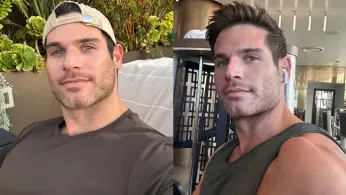
Former “Finding Prince Charming” contestant Chad Spodick has died at the age of 42, according to a public statement posted on a GoFundMe campaign created by a friend on behalf of his mother, Felice Harwood. The fundraising page, which confirms his death, describes his passing as “sudden and heartbreaking” and pays tribute to his character and impact on those around him.
The GoFundMe organizer wrote that the family is “struggling to comprehend a world without his light, ” reflecting the shock experienced by those close to Spodick. The message remembers him as someone who “poured himself into others” and consistently encouraged people around him to grow and thrive.
As of the latest publicly available information, no official cause of death has been disclosed on the GoFundMe page or in entertainment press coverage.
Chad Spodick gained national visibility in 2016 as a contestant on “Finding Prince Charming, ” a gay dating reality series that aired on Logo TV, a cable network focused on LGBTQ+ audiences. The series, hosted by Lance Bass, followed a format similar to “The Bachelor, ” centering on a single “prince” seeking love among a group of gay men living together in a shared house.
The show was notable at the time for featuring an all-gay cast on a mainstream cable network, positioning itself as one of the first network-backed attempts to replicate the popular heterosexual dating show model with queer men. Spodick’s participation placed him among a small but visible group of gay reality television personalities whose presence contributed to expanding LGBTQ+ representation on television.
During his time on “Finding Prince Charming, ” Spodick was introduced to viewers as one of several suitors vying for the affection of the show’s lead, interior designer Robert Sepúlveda Jr. While not the final match on the series, Spodick became familiar to audiences for his emotional openness and willingness to share aspects of his life and experiences as a gay man on camera.
The series itself drew a mix of praise and criticism from commentators and viewers, but it is frequently cited as part of a broader wave of LGBTQ+ inclusive reality programming in the mid‑2010s, alongside shows such as “RuPaul’s Drag Race” and “I Am Cait. ”
The GoFundMe campaign for Spodick, launched by his friend Kate Werbowski on behalf of his mother, emphasizes the deep sense of loss felt by his family and community. In the campaign description, Werbowski writes that “our hearts are shattered” by the loss of a “beautiful, kind, and generous son, brother and friend, ” language that has been echoed in subsequent online tributes and social media posts.
The fundraiser notes that Spodick was the type of person who “lifted up his friends” and devoted significant energy to supporting the people he cared about. Friends and supporters have used the campaign page’s comment section and associated social media posts on platforms including Instagram and Facebook to express condolences and share personal memories.
The GoFundMe campaign states that funds raised will assist Spodick’s family with costs associated with his passing, including funeral and memorial expenses. Publicly visible details on the page show donations from friends, acquaintances, and fans of the show, underscoring the reach of his brief time in the spotlight and the relationships he maintained offline.
Entertainment news outlets that aggregated the GoFundMe announcement have focused primarily on honoring Spodick’s memory and highlighting his role as a reality television participant rather than speculating on circumstances surrounding his death. This coverage reflects a broader shift in media practices around reporting on deaths within marginalized communities, where respectful acknowledgment and verification are prioritized.
Spodick’s appearance on “Finding Prince Charming” took place during a period in which reality television increasingly featured LGBTQ+ participants in central roles rather than only in supporting or stereotyped capacities. Media advocacy organizations such as GLAAD have documented annual increases in LGBTQ+ characters and participants across scripted and unscripted series during the 2010s, noting that reality programming has been a significant space for queer visibility.
“Finding Prince Charming” itself was highlighted in GLAAD’s media commentary at the time as a sign that network executives were testing formats that put gay men and their relationships at the center of mainstream dating narratives. While the series ran for a single season, its existence marked a departure from earlier eras in which gay men were often confined to sidekick or comic-relief roles on reality TV.
Spodick’s participation is part of this trajectory: his presence offered viewers, including LGBTQ+ audiences, another example of a gay man being depicted pursuing romantic connection in a format historically reserved for heterosexual couples. For some viewers, such portrayals can affirm that queer relationships are worthy of the same narrative attention and emotional investment as heterosexual pairings, a point media scholars and advocacy groups have raised in analyses of queer reality programming.
Following the news of Spodick’s death, some posts from fans and commentators on social media have referred back to his time on the show as meaningful for them, particularly for queer viewers who were looking for reflections of their own experiences on television.
Although the publicly available statements about Spodick’s death do not discuss mental health or specify any related factors, advocacy organizations serving LGBTQ+ communities frequently note that loss—whether expected or sudden—can have a significant emotional impact on friends, family, and community members. These organizations encourage people affected by grief to seek support from trusted networks, culturally competent counselors, or LGBTQ+-affirming helplines.
Groups like The Trevor Project and local LGBTQ+ centers provide resources on coping with the death of a community member, emphasizing that every person’s grief process is unique and valid. These resources often highlight the importance of remembering and honoring those who have died while also ensuring that surviving loved ones receive the support they need.
Media guidelines developed by GLAAD and other organizations also recommend that outlets covering deaths involving LGBTQ+ people focus on accuracy, respect, and consent from families, while avoiding sensationalism or speculation. Coverage of Spodick’s death has so far aligned with many of these recommendations by relying on a single, clearly identified primary source—the GoFundMe statement from his family’s representative—and refraining from unverified claims.
As information about memorial arrangements and any public services has not been widely reported in mainstream outlets, friends and supporters have turned to the GoFundMe page and personal social media posts to share remembrances of Spodick. The campaign text emphasizes that he will be remembered for his kindness, generosity, and the way he encouraged those around him.
For members of the LGBTQ+ community who followed “Finding Prince Charming, ” Spodick’s death is a reminder of the visibility and vulnerability that can accompany reality television exposure. His time on the series offered viewers a chance to see another gay man navigating dating, connection, and self-presentation on a national platform, at a time when such portrayals were still relatively rare in the dating-show genre.
While only limited details about his life after the show have been reported in major outlets, the language used by his family and friends in the GoFundMe statement conveys a portrait of someone who invested deeply in his relationships and community. In honoring his memory, supporters continue to emphasize the importance of compassion, mutual care, and affirming spaces for LGBTQ+ people—values that many see as central to queer communities.
As with any loss, those closest to Spodick are now navigating grief in their own ways. Public tributes and the fundraiser organized on behalf of his mother reflect both the personal dimensions of their mourning and the broader resonance his life and television appearance had with audiences who saw themselves, in some measure, in his story.