4 hours ago
From Disco Shadows to Punk Rebellion: The Queer Fusion That Sparked The B-52s
READ TIME: 3 MIN.
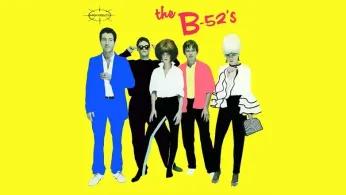
In 1976, amid the vibrant college town of Athens, Georgia, a spontaneous jam session over a Flaming Volcano cocktail at a Chinese restaurant birthed The B-52s, a band that fused the glittering escapism of disco with punk's defiant energy. The original lineup—vocalists Kate Pierson, Cindy Wilson, and Fred Schneider, alongside guitarist Ricky Wilson and multi-instrumentalist Keith Strickland—emerged from art school circles, swapping punk's mohawks and bondage trousers for beehive wigs, vintage dresses, and kitsch sensibilities.
This formation occurred against a backdrop of cultural tension in the late 1970s music scene. Disco, popular in urban gay clubs, offered a closeted haven for queer expression through its rhythmic beats and hedonistic vibes, but it faced backlash as "too commercial" and effeminate. Punk, exploding from New York and London, rejected such polish with raw, aggressive minimalism dominated by straight, white male voices railing against conformity—yet it too became conformist by the late 1970s, churning out clichéd macho anthems. The B-52s bridged this divide, drawing disco's campy flair into punk's DIY chaos, creating "quirky, lively, and original" new wave that appealed to LGBTQ+ audiences seeking unfiltered joy.
Four of the five original members identified within the LGBTQ+ community: Ricky Wilson, Fred Schneider, and Keith Strickland as gay men, and Kate Pierson, who later married her wife Monica Coleman in 2015. Cindy Wilson was the sole heterosexual member, but the band's queerness infused their aesthetic—thrift-store outfits, sci-fi motifs, 1950s fashion, and 1960s surf riffs layered with post-punk attitude—without explicit labels. Kate Pierson emphasized this: "We just thought of ourselves as just plain queer—as in eccentric." They never branded as a "queer band," instead letting music and image speak, as Pierson told AfterEllen: "One of the things the B-52s wanted to accomplish was for people to embrace their difference and encourage people to be who they are and accept themselves."
Their 1979 debut album captured this essence with tracks like "52 Girls," "Quiche Lorraine," and "Give Me Back My Man," blending high-energy surf-punk with experimental fever dreams—songs strong enough to elevate new wave's finest. This campy absurdity allowed subtle queer themes to permeate without consequence, parking goofy lyrics in neon-painted otherness that resonated with queer listeners. Unlike chart-toppers like Boy George’s Culture Club, The B-52s remained a cult act, their queerness "ingrained and implied" during the 1980s. Fred Schneider later reflected: "You just do your thing and your sexual orientation is just a part of it... Our music and our image kind of stood for itself—that was the statement."
Tragedy struck in 1985 when Ricky Wilson died from AIDS-related complications, prompting the band to produce the "Art Against AIDS" PSA for amfAR , featuring other artists to raise awareness. This activism wove their history deeper into LGBTQ+ fabric, supporting communities through the crisis. Their influence endures: Schneider collaborated with RuPaul’s Drag Race winner Jinkx Monsoon, and drag artist Juno Birch lip-synced "Give Me Back My Man." Recent tours, like with Devo, affirm their queer elder status.
The B-52s' legacy lies in pioneering LGBTQ+ visibility in new wave, proving eccentricity could mainstream queerness without dilution—paving paths for future queer pop stars while appealing broadly through fun, united fronts. Their story reminds us how cultural clashes birthed enduring anthems of self-acceptance.