Jan 5
San Francisco Secures Funding for Landmark 15-Story Housing Tower for LGBTQ+ Seniors
READ TIME: 3 MIN.
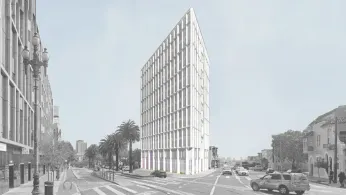
San Francisco is addressing a critical housing crisis for its aging LGBTQ+ population with a new 15-story development at 1939 Market Street in the Castro neighborhood. The tower will offer 187 studio and one-bedroom apartments exclusively for seniors aged 62 and above, including units for low-income veterans. Rents will range from 15% to 60% of the San Francisco Area Median Income, targeting very low to extremely low-income residents.
The initiative responds to a demographic shift in the city, where nearly one in three residents is projected to be aged 60 or older by 2030—a rate higher than the California state average. Many older LGBTQ+ individuals face compounded challenges, including limited incomes, escalating living costs, and social isolation due to historical marginalization and family rejection. This project aims to provide not just housing but a supportive environment with communal spaces featuring rainbow-colored inclusive visual elements to foster belonging.
Mercy Housing California, a nonprofit focused on affordable housing, is partnering with Openhouse, a provider of services for LGBTQ+ seniors, to develop the site. The project has secured approximately $47.6 million from the California Strategic Growth Council's Affordable Housing and Sustainable Communities program, emphasizing sustainability and proximity to transit at the Market and Duboce location. The city acquired the site in 2020 for about $12 million.
This new tower will integrate with existing Openhouse facilities at 55 and 95 Laguna Street, forming a "mini-campus" with nearly 300 affordable residences and dedicated program spaces. Openhouse will deliver on-site supportive services, such as health and wellness programs, social groups, and memory care, tailored to the needs of LGBTQ+ elders. These services are designed to create intergenerational and aging-affirming spaces, helping transgender people, gay men, lesbians, bisexual individuals, and others rebuild community connections.
San Francisco Mayor Daniel Lurie described the funding milestone as a "significant step forward." He stated, "We are excited that this project at 1939 Market has officially received funding and is moving forward. This is an important step for LGBTQ seniors who deserve stability, dignity, and access to housing in the city they call home."
Morey Riordan, Executive Director of Openhouse, emphasized the rarity and importance of such progress. "It’s rare - but so important - to have good news to share in these difficult times. With this new, truly affordable housing project, we are one step closer to a world in which LGBTQ+ older adults can remain part of the communities they helped to shape."
Construction is expected to commence in late 2026 or early 2027, with the building opening by early 2029, positioning it as the largest LGBTQ+ senior-focused housing campus in the United States. The development underscores San Francisco's commitment to equity for LGBTQ+ seniors, who have historically contributed to the city's vibrant queer culture but now risk displacement amid housing shortages.
Openhouse's mission aligns closely with this effort, focusing on opportunities for LGBTQ+ seniors to build and reconnect in affirming spaces . While California has other examples like the Ariadne Getty Foundation Senior Housing in Los Angeles, this San Francisco project stands out for its scale and integration of services.
The project arrives at a pivotal time, as local media highlights the urgent need for such housing amid rising elderly populations and affordability pressures. ABC7 News has covered similar calls for action, noting how affordable housing shortages exacerbate vulnerabilities for LGBTQ+ seniors.
This development not only provides physical shelter but also counters the isolation many LGBTQ+ seniors experience, offering a model for other cities facing similar demographic and equity challenges. By prioritizing inclusive design and services, it ensures transgender people, queer women, and all LGBTQ+ identities can age with dignity in supportive communities they helped build.